
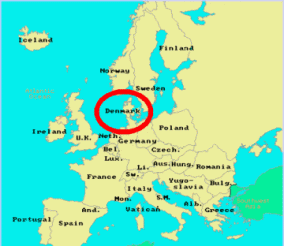
Beginning in less than two weeks, all packages of prescription drugs entering the EU pharma supply chain must contain a 2D barcode encoding the EU serialized ‘Unique Identifier’ (see “The ‘Unique Identifier’ in the EU Delegated Act”). More importantly, all drugs that have an FMD unique identifier on them at the point of dispense after February 9, 2019 must be “verified” and decommissioned through the National Medicines Verification System (NMVS) (see “What’s So Hard About Unique Identifier Verification?” and “Decommissioning Under the FMD/EUDR”). It looks like my prediction of FMD delays was wrong (see “How Will They Delay The FMD?”) but at least Denmark has just moved to solve a serious FMD dilemma with a kind of delay. Let me explain.
Continue reading FMD: Denmark Moves To Solve FMD Dilemma


 Since my last essay about the Russia Crypto-Code (a.k.a., Crypto-Tail) (see “
 Over the weekend I skimmed through the many responses the FDA has received for their ‘Product Identifiers Under the Drug Supply Chain Security Act Questions and Answers’ draft guidance (see “
 Congratulations, you’ve just connected to the EU Hub and you are authorized to begin uploading production data ahead of the February 9, 2019 deadline. It’s been a long road. Most pharma marketing authorisation holders (MAH) report taking six months from initial onboarding application to authorization. Now what?